10 Years of Exvangelical

10 years ago yesterday I released the first episode of my podcast, Exvangelical.
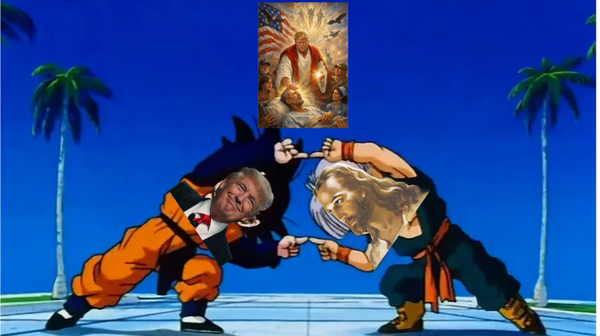
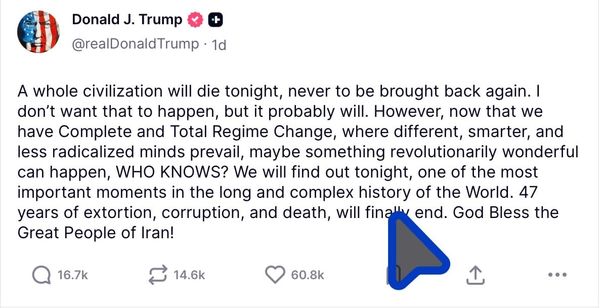
I scheduled the episode to be released during the Republican National Convention, where Donald Trump secured the nomination for the first time. Within a few months he would secure the White House thanks in no small part to the overwhelming support of white evangelicals, whose support he has depended upon ever since, and whose support has hardly wavered.
A lot has changed and a lot hasn’t in the past 10 years. A decade ago, Twitter was a small social network with outsized influence on cultural discourse. Prior to that, the blogosphere enabled writers like Rachel Held Evans and others to question evangelical religious and political orthodoxy. It was in that environment that the show launched and found its initial audience.
In the decade since, conversations around religion and public life have ballooned online across multiple platforms: podcasts, Instagram, TikTok, Substack, YouTube, etc. In my book, I sought to frame this as the development of a counterpublic, which I still think is accurate, given that power still resides with white evangelicals, Christian nationalists, and their other allies. Further, they have maintained control over and steered our politics in the US, even during the Biden administration (that is what hasn't changed in the last 10 years). There are now countless voices to speak to the dangerous outcomes of toxic white evangelical theology, to abuse within the church and other faith communities, to experiences of sexism and misogyny and homophobia and transphobia, to notions of “deconstruction” and and so forth. I am grateful for that.
I had penned a version of this that was much longer and emotionally raw. In that version I cataloged the things I was proud of and where I felt I had fallen short in my work, as well as a sort of retrospective of how discourse has changed in the decade since. I'm going to eschew all that in this post.
If the work I have developed over the years has helped you along your journey out of evangelicalism and toward somewhere else, I am grateful. I am grateful for everyone who has come on the show to share a part of their story, for those I have met online and in-person, and for all the opportunities I have had to collaborate with others who have sought to improve things for others and themselves.
Thank you for reading, listening, watching, and indulging me in recognizing this occasion.